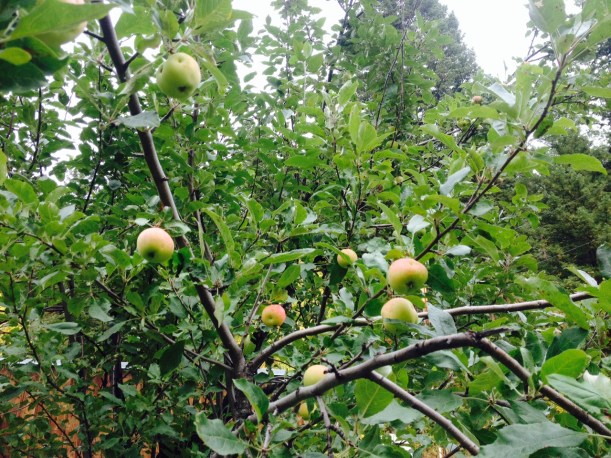
In my last post I talked about the looming threat of wild visitors to my Apple Tree. Yesterday I took a hike up the local trail and upon my return the tree had been visited. All the apples were stripped from the bottom branches ! Ha! Time to harvest. So, here is my share of the apples. I left some on for any wayward visitors who really need an afternoon snack.
By the way, I’m still hoping someone will send me their favorite recipe for an Apple Crisp!
Apple season has arrived in my yard. Almost overnight the leaves on the Amur and Cottonwood are turning bright yellow. And I am not exaggerating about the “overnight” aspect. Come and see for yourself if you want. In addition to the bright light of leaves glowing in my yard I think the apples on my single apple tree are ready to pick. And as I noted in a previous blog, that means I need to pick them before the Moose or Bear get them.
One came off the tree the other day, and I decided to give it a try. They are smallish. Like a plum. They are mostly yellow with a beautiful overlay of reddish streaks. But I don’t know which variety they are. Looking on line it seems like it may be an Empire.
Empire
Introduced in New York, 1966 (McIntosh x Delicious).
Ripens in late September, (two weeks later than McIntosh).
Fruit is medium; skin is red-on-yellow to all red. Flesh is crisp, juicy, aromatic and slightly tart.
Sweet, spicy quality excellent for eating fresh, in salads and fruit cups
Take a look at the pics and let me know what you think. Am I right? Or is it another variety?
What I know, is that the one I tasted is sweet. very fragrant, and slightly soft. Delicious, and wonderful considering I got to watch it grow from sweet pink blossom to edible fruit!
I think I need to pick some a make an Apple Crisp. Anybody have suggestions for a recipe?
The days are becoming more brisk, more fall-like. As the summer pushes towards its last moments the rush of ripe fruit arrives. Sweet smelling and practically dripping from its bush. With the fruit comes the bears. Bears move by season and available food source. So while I am always cautious of bears in the wilderness around me, the places that I hike and camp, I also realize that most bears are in particular landscapes and elevations at certain times of the year. If I pay attention to their needs I am most likely not in their way. Of course there is the “hibernation” period, those long restful periods of winter, when it is unlikely to see them. Those short days of light, and long days of dark when I wish I could crawl into a cave as the snow falls, just as the bears do. But in rest of the year they are moving around looking for the best food source: logs and bugs, left over carnage that is left from a creature not surviving the winter, or losing a battle with another animal, nuts, and the sweetest of all, berries. When the fruit comes into season we have the greatest opportunity to cross paths with a bear or two.
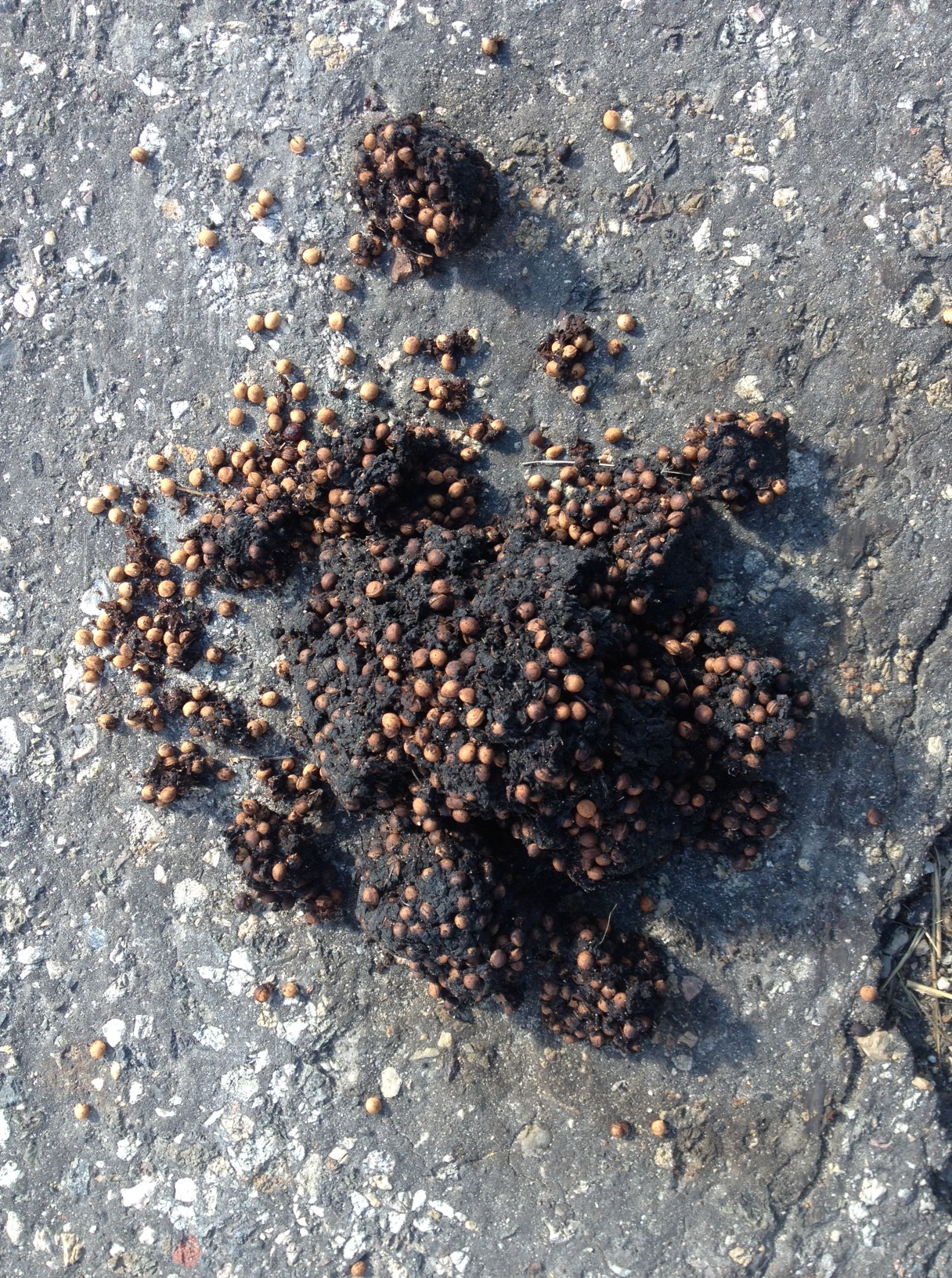
For me, living up a canyon outside of Bozeman surrounded by protected Forest land, such an experience is even greater. The two trails that leave into the mountains from the end of my road provide great cross over with bears and their berries. And when I know it is best to start paying attention to where and when I am hiking on these trails is when I see the large piles of bear poop that start showing up on the road to my house. Which is now. The chokecherry and other berries are ripe along the road and every morning there are more piles left from the bears after they gorge on the berries. The branches of bushes are pulled down and leaning toward from the roadside where the bears are tugging on them. And as they move up the road they are moving up in elevation, which means that they are naturally following the berries as they ripen over the next few weeks.
The last stop before they head up the trails is a treat in my yard. An Apple tree which is heavy with fruits this year. Planted just outside my front door I observe the fruit every time I walk by. This week it is turning from green to shades of red. Small little sweet fruits that will soon be eaten by me, moose and bear. The question is, who will get the most of the fruit.
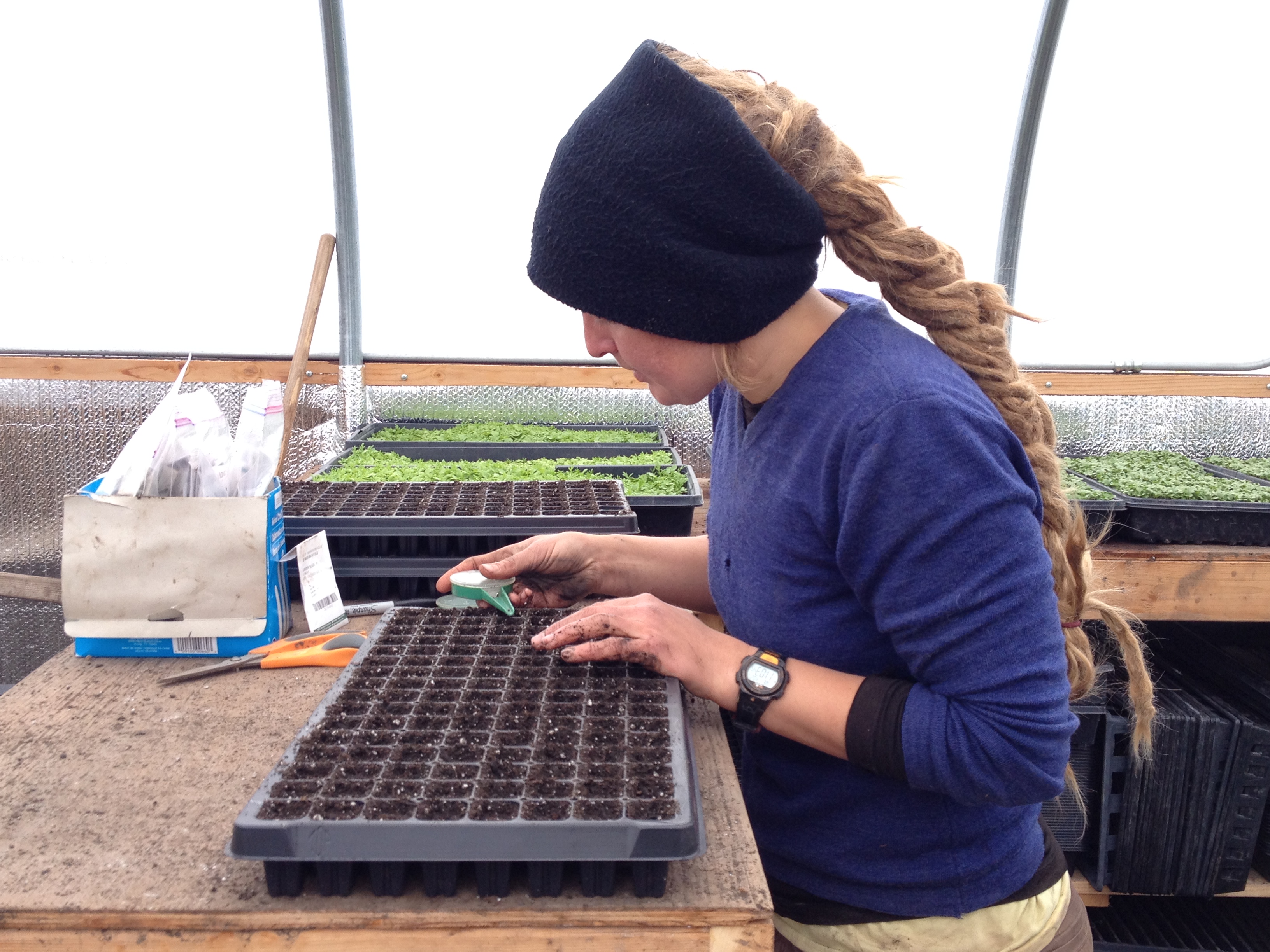
In early April I visited Cloud Nine Farm near Wilsall, Montana for the first time. The ground was just thawing at this high-elevation farm that bases it’s growing techniques on Permaculture. Despite the fact that there was nothing sprouting green in the land that surrounds them, Allison and Seann, owners of Cloud Nine, were following their daily farm activities. In order to make Cloud Nine profitable the farm is a year round operation. Green houses, chicken and duck eggs, and micro-greens help extend the seasonal potential for the farm. Cloud Nine is an organic minded farm and in the past few months that we have been planning the Remote Studio project for them they have been working through the process for gaining full “organic farm” status. This status not only is a great personal goal it also assists their product commitment with the CSA they work with, Market Day Foods in Bozeman, Montana. As the organic reviewer told them, they have the most diverse farm requesting organic status she had ever seen. Which means that the farm had ultimately more paperwork and verifications to deal with , because their application for organic status extends beyond a mono-culture farm, and instead operated as a holistic entity. The holistic condition is representative of the permaculture farming that they have adopted. It is a best case operation that organic farms can reach toward. In May they gained their full organic status!
The concepts of permaculture farming are not so different than the architecture profession’s goals seeking to design their buildings to work with the environment of their buildings. Consideration of land, orientation, weather patterns, and best conditions for employing the “energy” and “productivity” of the place. While this may sound straight forward, its not simple. Certainly not simple if you are farming in the high elevations of Montana with land that had been previously overgrazed. And if you want to develop a closed-loop farm as Allison and Seann do, the challenges can be even greater. Closed-loop (just as in architecture) means that what you need you gain from your “ground” and what you produce in by-product stays on the land, and is not hauled away.
one of the hoop greenhouses growing micro-greens
seeding for the upcoming growing season
Artemis Institute is interested in supporting practices and experiences that recognize the relationship between nature and culture. With the Remote Studio program we focus our design/build project on community structures that assist this relationship. This year we are committing the Remote Studio project to Cloud Nine Farm because we believe that the food that they produce for our community helps ensure that we have healthy “connected to the land” choices. We are overly impressed with Cloud Nine and other such small organic farms who commit to find a way to grow healthy food, in less than simple environmental and economic circumstances. These young farmers work long hours, reinvest their meager profits in bettering their ground, seldom have time-off, and little financial opportunity to build the simple support structures we all imagine to be in place on farms. For these reasons, Remote Studio Summer 2014 students will be designing and building a multi-functional support structure that enables the farm to store their implements out of harsh conditions, hang their garlic and store their onions, better rinse their vegetables for market, and store their young plants in a more protected environment.
To achieve this new support structure Cloud Nine is providing the funds for all construction materials, and Artemis Institute/Remote Studio provides the design, construction management, drawings and construction of the structure for free. There is one more component that is on their list, but not in their budget: a refrigeration unit with a high-performing “cool-bot” that would allow them to extend the storage and delivery season of their products. We have estimated materials and technology for this portion of the structure at about $5,000 for Remote Studio to incorporate into the design and construction of the new structure. If supporting our developing American Organic Farmers seems like an important and necessary thing to do, then consider helping Artemis Institute build the new Refrigeration Unit for Cloud Nine Farm. Artemis Institute is a non-profit organization. Your donations are tax-deductible to the full extent of the law. To make a donation click here.
Remote Studio students start designing the Cloud Nine structure June 16!
eggs and sunflower mico-greens from Cloud Nine Farm
The forecast stated rain this morning. I was just hoping it was wrong. Dressed for a hike I headed out of the canyon where I live to more reliable weather. But the rain was already there. I turned back toward home as the rain followed slowly behind. Across the bridge with the creek raging snow melt below, past the arcs of snow that remain in the yard. Tennis balls lost in the snow to Noel over winter are emerging like little bright green treasures. We find a few and I throw them to her while watching the heavy sky above move closer to my head.
I have learned this past winter that wind can be fierce in the canyon. We had some nights that I even wanted to crawl into the closet in the basement. The large Douglas fir trees and others that surround the house are close to 100 feet tall. I took stock of them last fall after I lost the top of one of them that lives so close to my house. Immense and powerful. The steep hill behind my house is all forest with heavy underbrush and I realized as the snow began to melt and I was spending more time outside that one of these great trees had fallen behind the house. Seems like a good time to explore the tree and experience just how big it was.
remaining trunk
It had twisted and broke during one of the storms and the stump that remained was taller than me. I can see as I get closer that it had split and twisted vertically in two locations. The base was so large its difficult to imagine it giving way to the wind. But there it lay long and broken down the hillside pointed toward my house. I paid homage, I feel its bark, its skin, and appreciate the needles that remain green on the trunk that now lays on the ground. Heading back down the hill I follow the narrow deer paths that lead to one of the largest trees at the bottom. Exposed roots make me wonder how long it will live against the wind. This spot, behind the tree, has some collected garbage, things that must have come from the neighbors trash. And now I realize why this spot always felt a bit spooky to me in the dark of the winter night. Teeth holes in the plastic milk carton tell me something has been there. Something large – an animal – I heard moving up there this winter – has spent more than a passing moment at that tree. This tree has had a long life, including the 2x4s that remain nailed into it’t trunk.
I look out at the forest. The rain has arrived and falls like a morning in the Northwest. Light but constant. My hike will wait for now. I will wait, and instead watch the male robin who has been sitting on the deck railing for the past few days expressing his dominance to the reflection in the glass window that separates me from him.
If you are joining us for Remote Studio or Quest– Utah you do NOT need to have a tent. We have enough for the trips. But if you are thinking that you would like to invest in one for the program (if you are attending Remote Studio you may want to camp on the weekends) or that you want one not to have one for the future, following are some tips I have learned over the years.
looks comfy, right? Don’t expect to find a pillow in the backcountry…
1. A car camping tent is not really the best for backcountry camping, but a backcountry tent can always work for car camping.
3-season mountain hardware tent with vestibule and end entry
2. Unless you live all the time and camp all the time in a temperate climate you should have a 3-season tent. And if you live in Alaska or want to trek in Nepal, you would need a 4-season tent.
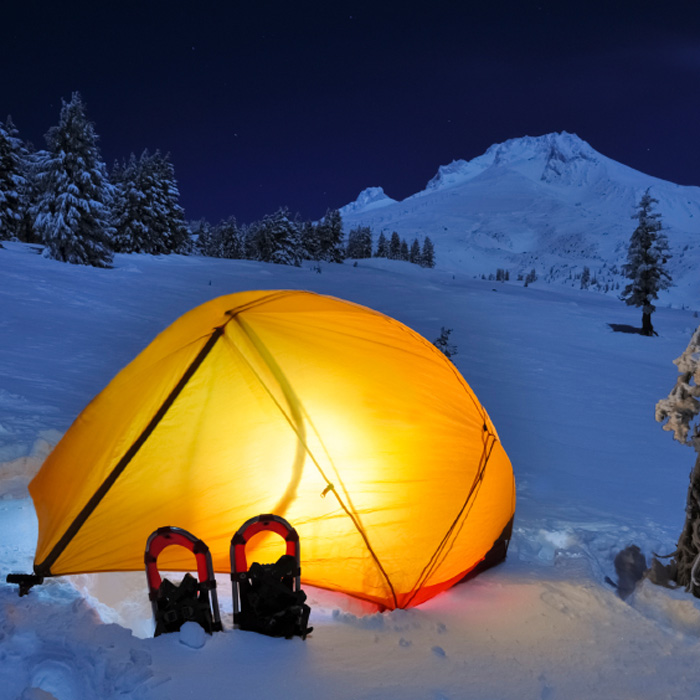
3. A few years ago the tent manufacturers came up with a concept called an “integrated fly” for 3-season tents. I think the idea is that these tents weigh less. I have not seen these perform as well as the traditional fly with tent system. What’s a fly, you are asking? Take a look at the images of tents here. The fly is the outer layer of the tent applied after the primary tent enclosure/structure. The fly is like the rain jacket or coat of a tent. It keeps the bad weather from getting to you. And the fact that it is on the outside of the frame structure means that it is held away from the surface of the primary enclosure. In nasty weather, which happens often enough in the Rockies or in the shoulder seasons most anywhere, you want a 3-season tent that has a separate fly.
Side entry with vestibule. Mountain Hardware
A very large vestibule tent from Big Agnes, a new idea, could be useful if you need to “cook” in the vestibule, But not in bear country!
4. A few more things about the tent fly. If its cold and rainy you want it. If its not you can leave it off and let your tent breathe, and you get to watch the stars. Worst case scenario if the weather changes you can snap it on in only a few minutes. (Unless you are totally convinced that the weather is going to be perfect when you are out in the backcountry and decide you can leave it at home or in your car.)
5. Quality of the tent. Walmart or a real technically designed tent? Seriously? If you are car camping or camping in your friend’s backyard you can last in a Walmart tent, or other “cheap” tent. But if you are hiking for miles into a place that has no alternative accommodations, not even a cave, you want to spend the cash to get a good tent. Why? Because they are built and designed to stand up in bad weather, and to last a long time. If you take care of the tent. I have watched cheap tents buckle under the weight of a spring snowstorm and almost blow away in the wind on the edge of the Great Salt Lake. I don’t think anyone was enjoying life inside those tents.
Mountain Hardware, Drifter . You could easily end up camping in snow like this in early June in the Northern Rockies, be prepared.
6. Tent profile: The “taller” the tent the more challenged the tent is in adverse weather, snow or wind. So, while the idea of being able to stand up inside your 3 or 4 person tent is cool when you are in the store, I recommend a lower profile tent. Being able to sit up is nice, and good enough.
7. Shape of the tent? Shape is relative to use and how many are using the tent and how well you know the person you are sharing the tent with and how much weight you want to carry on your back. Consider all of these conditions when considering the shape. If its low in profile and thin in plan you are going to want to be pretty comfortable with your tent mate.
Make sure you check the size of the footprint and the head height.
7. How many doors? How many vestibules? This question relates to the question above. There have been times when I have slept in tents with folks I don’t know very well. I hate climbing over them to get in and out of the tent. So, consider that issue when you are looking at the tent layout. Also, double vestibules and openings allow each person the ability to simply slip out of the tent from their “side”. Long, slender tents with an end opening are nice. But they seem the best when you are intimate with the person you are sharing your tent with. Because most of the time you need to shimmy in and out of the sleeping bag and tent to get outside. One more thing about about multiple openings/vestibules. If you travel with a dog and you don’t want them in the tent with you, they can sleep in the vestibule. And if you are camping in a place that is not storming or has bears you can leave some of your gear in the vestibule and not in the tent. And lastly, if you are experiencing terrible weather you can heat water in your vestibule if the vestibule is big enough.
8. Weight of the tent?? Weight is certainly an issue. The more highly engineered tent, with the latest fabric and poles is going to be lighter than the others. But usually they cost more, too. So while you don’t want the heavy and inexpensive Walmart tent, you still want something lighter and affordable. Consider the issues above, how you are going to “live” in your tent, and where you are going to be living and then also consider the weight. There will be several tents of different weights to choose from even after you have used the above criteria to narrow your decision.
Another Big Agnes, 3 season, double vestibule tent. Removable Fly. Tent has screen above for night watching.
9. Color. Yes, color. I didn’t think too much about color of the tent when I bought my “blends into the landscape” colored tent. But here are a few things to consider if you actually have a choice in color. There is conflicting data on whether color makes a difference to a bear. Some say a brighter color attracts them. Some say they don’t care. I have no experience to offer regarding this issue. But what I can say is if you are having an emergency and need to be rescued, or send someone out for help in changing weather conditions and they need to find you and the tent again, a brighter color can help for identifying and locating the tent in the back country.
10. Best tent manufacturers? There are many. Marmot, Big Agnes and Mountain Hardware to name a few. They all make their tent details and shapes a bit differently. But are of a good quality and well engineered. And just about any tent you are going to find sold with these three will be similar quality. You can pay full price, or you could do a little research and figure out what you are looking for (size, type, weight, etc) and then buy one online at a site such as backcountry.com. Check them out for other gear, too.
11. Don’t forget the ground cloth. It goes between the tent and ground. Should be light weight. There is a specific ground cloth for the tent you buy. Well worth it when it is pouring rain and the water is rushing under your tent. The ground cloth can be turned up on its edges to ensure that water runs under it, and not into the tent. (true story).
Winter is long in the Northern Rockies. And it is for this reason that Remote Studio operates in the Summer. Beyond the winter season are the glorious months in the Northern Rockies where you can hike a trail or ski a mountain slope, float a river or cycle for miles. The weather during these months is a surprise to most people who do not live here. When Summer Remote Studio begins Spring will just be transitioning to early Summer. The vegetation is vivid green, gardens are just being planted, but a quick snow could easily occur through mid-June. Be prepared for great weather changes and temperature swings.
The mountain environment is dry. Which means that there is no moisture to hold in the temperature of the day once the sun goes down. We can experience a twenty degree temperature drop as soon as the sun sets over the far mountains. It’s a beautiful and enlivening experience.
When you arrive at the first of June you can expect highs between 68-80 degrees and lows between 39-48 degrees. By the time July arrives daytime temperatures could easily be in the 90s, with lows still in the 40s.
When we travel into the back country in June we will be in higher altitudes. For these reasons it will be colder at night, expect the temperatures to drop to freezing or below. Don’t be surprised if we are hiking through snow or get snowed on while camping.
You will experience a drastic change in weather conditions and temperatures while you are at Remote Studio from June through July. To be prepared you will need both light weight insulated jacket, hat and gloves to start and shorts and sandals towards the end. Read on to learn more…..
Gear that you need for the Remote Studio:
Check this link out on the Artemis Institute website for what to bring, and learn more in this post.
Consider bringing only the personal things that you really can’t live without, such as that special drinking cup. If you are picky about your espresso, you will need to stop in at one of the local coffee shops.
You can bring bikes, fishing poles, anything that you would like to help you experience the out of doors. If you are musical, bring your instruments. Don’t expect a suburban lifestyle experience when you are immersed in the woods.
Bring at least one “nice” set of clothing for meetings or community dinners.
DESIGN
modeling tools and drawing tools and equipment
sketch book , pens, pencils
MSU has a student store that is well equipped with modeling materials,etc.
lap top, camera, etc….
BUILD
Your clothing will take a toll while building. Bring jeans and expect them to get a lot of wear. T-shirts, sweatshirts. Long sleeves and short. Boots, you can wear your hikers if you like. But if you have work boots I recommend you bring those. If you have rubber boots you will want those, too, if you have the room to pack them. Hats for the sun, it is very intense here in Montana. Many of the clothing items you will also wear during construction phase. We will also be encamped for the final push of the installation, and your back country gear will be used at that time as well.
As far as tools, you will need:
tool belt, 25-30′ tape measure, 1″ wood chisel, utility knife, work gloves, safety glasses, and a speed square. Please label your tools with your name. We will check that you have your tools before you can work in the shop.
BACK COUNTRY GEAR
The back country trips require the usual gear: sleeping bag, drinking cup or bottle, backpack and day pack of a sort. Good hiking boots, water shoes, rain gear, etc.
You do not need to buy a new tent, but if you have one bring it.
Below is a list of the things you will need for the back country trips. If you need more information or description on an item read through this post for the items in the list. This is our recommendation for the most comfortable . If you are in a place that has a second hand store for outdoor gear, these can be the best places to pick up many of these items at a greatly reduced price. We have a good second hand store here in Bozeman, if you want to wait for some things. We also have several great independent outdoor gear stores, and we have an R.E.I. Or you can borrow some of the gear from a friend, such as head lamps, and rain gear. But you need to know what you are looking for. If you want to read about gear you can check out this link to backpacker magazine: http://www.backpacker.com/gear-guide-2013-charts/gear/17288 or you can search for gear reviews on the internet.
Shoes. Primary: hiking boots or hiking shoes and water sandals
shorts
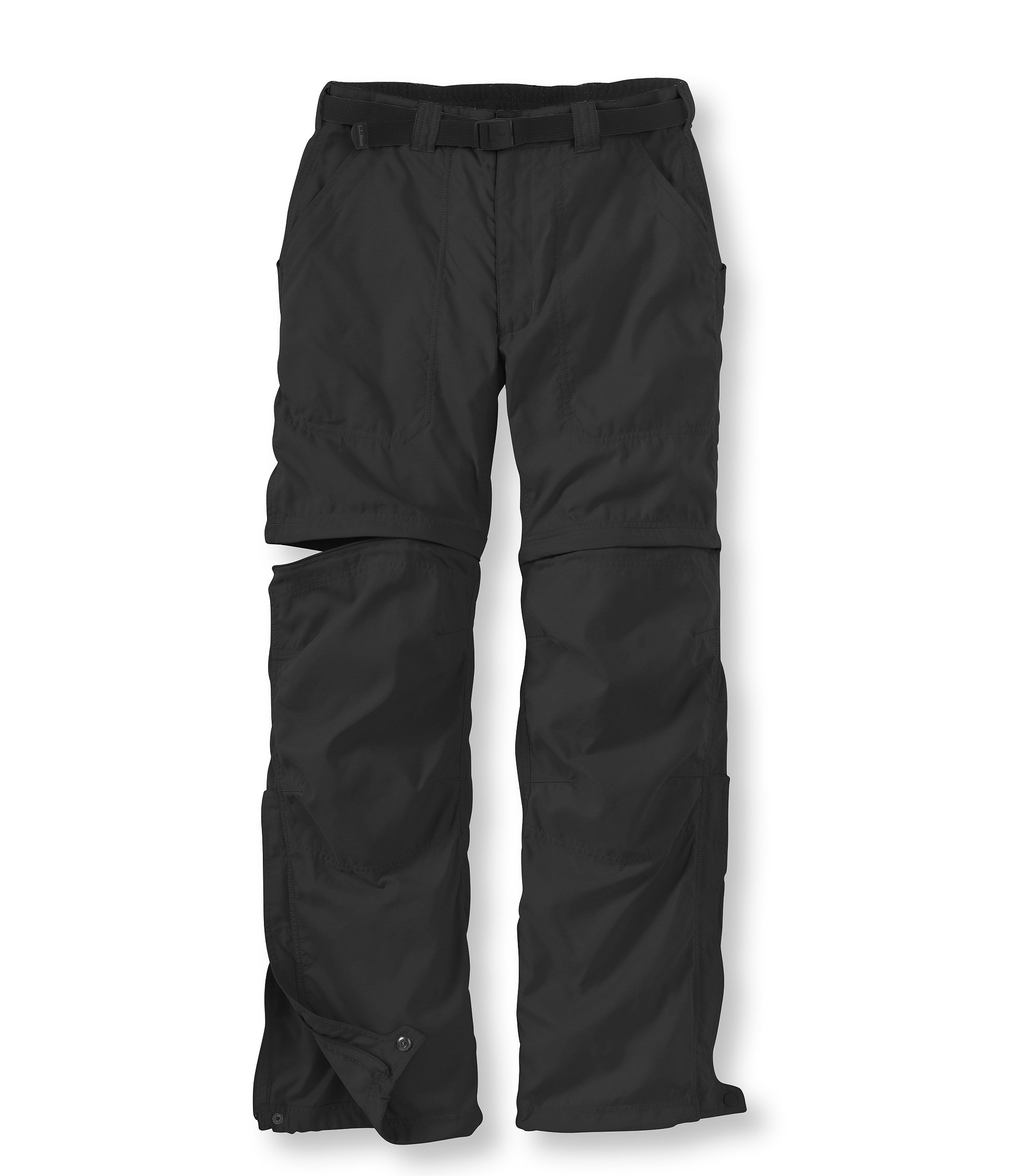
1 pair of light, quick dry, pants (could have zip-off legs)
Hiking quality socks. 4 pair
Short sleeve t-shirts
long sleeve t-shirts, or long sleeve base layer
1 long sleeve light weight, quick dry, button up
bathing suit
rain gear. at least a jacket with hood
hat for sun
light to mid-weight jacket with some insulative quality
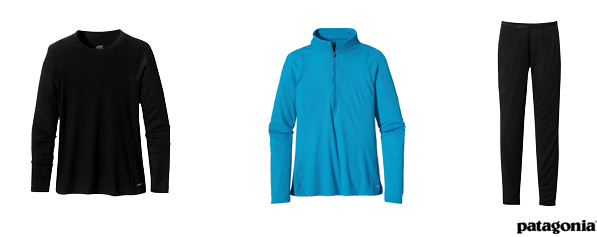
light weight thermal base layer top and bottom
mid-weight layers
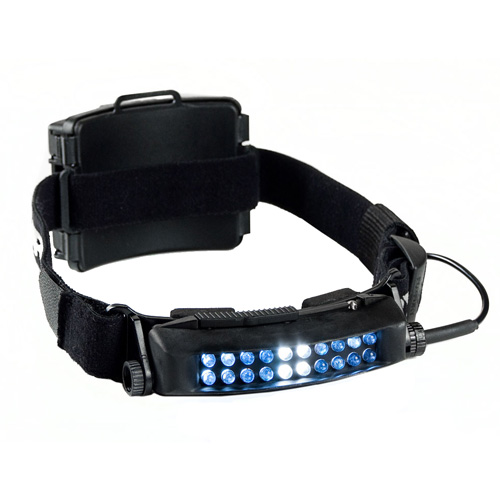
head lamp
day pack
back country pack
sleeping bag and pad
hiking poles (optional)
pocket knife
water carrier, bottles or bladder
thermal mug
bear spray
YOUR HEALTH
As is noted on the Artemis Institute website, hiking in the backcountry is an aspect of the educational program for Remote Studio. Being capable of hiking 10 miles with a backpack on – in your hiking boots -is part of this aspect. Such a requirement is no small detail. There is no reason to be concerned about the hikes if you prepare. Better to prepare now than be in pain, and slow – when we are out in the wilderness.
We will be hiking at 7000-10000 feet above sea level. Training for this condition is almost certainly required. So what should you do to prepare? Cardio and strength training. You can train for this activity in one task, if you choose. Put your pack on – add a bit of weight (5 pounds, maybe) and go out and hike at an elevated speed to get your heart rate up. Keep your heart rate up for about 15 minute, then slow down and walk casually for a while. Then repeat the activity. Repeat a few times. Then the next day add another cycle of accelerated heart rate, until you are hiking a 2 hour sequence with about 20 pounds of weight in your pack. Or you could go to the gym. Wear your pack, get on a treadmill with adjustable “slope” and add some incline. Or program the incline for a variable. Use the treadmill for about 20 minutes at a time. You can also speak to a trainer at your gym about “core” strength training. The biggest challenge, besides the hiking is having your “core” strong enough for the weight of the pack.
If we determine that you are not prepared with boots or capable of hiking at a reasonable pace with the group (this detail is a safety condition) we will find an alternative assignment for you during these events.
Following is a description of the gear and an explanation for their use:
SHOES
We will be on our feet a lot, and in various terrain and conditions. You can certainly take the trip in one pair of shoes, but I do not recommend it. Read on to understand the strategy:
Hiking Boots/Shoes: The choice or low hikers or taller boots is up to you. Here are some considerations: If you have weak ankles you want a taller boot for support over the length of hike. You may also want taller boots to protect you from debris getting into your boots or scratching your ankles. However, if these issues don’t concern you than a shoe type hiker could work. Look for brands such as Garmont, Vasque, Oboze, or Merrell if you are buying new. Please break in your shoes before you come so that you know your shoes fit and you will not get blisters. Make sure you put some real miles on the boots, at least 4-5 after they are broken in. Take the shoes outside and try to find some terrain to walk on. You will not know if the boots really fit until your feet sweat and swell in the boots.
We cannot stress enough how important it is that your hiking boots be broken in. So if you are buying new ones, get them now. Put them on your feet and wear them everywhere. Wear them with your hiking socks, always. The best break-in would be something like this: day1; wear on errands day2: wear on more errands and a short walk (25-20 minutes) day 3: take a 2 mile hike in them day 4 or 5 or 6 take a hike of 4-6 miles.
If your boots are not broken in you will get blisters on the first hike, the second day of the program. Not a fun thing-can be ugly. Don’t wait until you are here to think that you can break in your boots.
Hiking Sandals: Simply put, you may want to have a different pair of shoes to wear. And for some people, when on developed trails, hiking in sandals is a nice change, but NOT when you are hauling a pack.
SHORTS AND PANTS
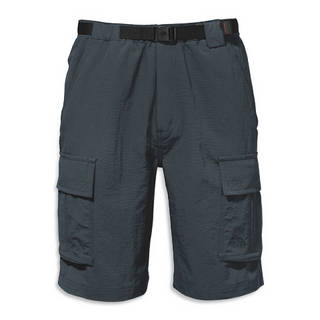
We recommend that you have lighter weight, quick drying shorts. You can double up if you want and buy a pair of pants that have zip off legs. These are great in changing weather conditions. Or bring 2-3 pair shorts and one pair of pants. There are even hiking skirts (ladies) if you prefer. Quick dry is valuable not only for wearing in changing weather conditions, but also to dry quickly if you are sweating or after being washed by hand. Denim is NOT recommended for the trail for the reasons mentioned above. They are heavy, thick, hot and take a long time to dry. Save them for the job site and hanging out. Brands to look for include Columbia, North Face, and Patagonia.
HIKING SOCKS
There are socks and then there are hiking socks. Normal “athletic” socks are not durable and do not have the reinforcing that a hiking sock has. Hiking socks cost more but last longer. They are developed to work on the trail and be comfortable for miles. Typically made from a wool or other wicking fabric, while athletic socks are cotton and stay wet once you sweat in them. Bring at least 3 or 4 hiking socks and bring the best socks you already have. Brands to look for: Smart Wool, Thorlo.
Liner socks: If you are prone to blisters, or have never hiked a lot, I recommend 1-2 pair of sock liners. These are light weight socks and they allow your feet to move freely within the shoe without rubbing blisters onto your feet. (see the image above, to the right).
T-SHIRTS AND BASE LAYERS
Being prepared and dressed well for the weather in Montana requires layering. When we are hiking we will start the day in cool weather and within a few hours it will be quite warm, and the weather conditions could shift during the day. The base layer is the one closest to your body. In this instance it could be a short sleeved cotton t-shirt (or tank top) or a light weight thermal. I recommend one pair of base layer top and bottoms for the cooler nights. Brands to look for: Patagonia, L.L. Bean, Columbia.
MID-WEIGHT LAYER
This is what we typically recognize as Fleece. You probably have something that will work. But don’t use a sweatshirt for the backcountry, they are typically cotton and like, denim, heavy and difficult to dry quickly. If you prefer, you could bring a quilted jacket, as described below, and may not need the mid-weight layer. This choice should be made when thinking about how cold you could get in the early morning or evening in close to freezing temps. Think about layering….
RAIN GEAR
I cannot say enough how valuable a hooded rain jacket will be for Montana. Rain gear could make a considerable difference in happiness and health. I do not recommend a cheap jacket. I have watched a participant’s gear shred off them during a hike because they brought cheap “plastic” rain gear. It is best to have a jacket that is more water proof than less water proof (or more breathable) because if we actually need the gear we will need it to STAY DRY and WARM. (If we are in a light rain, the sun will come out and we will dry quickly.) The hood is critical in the instance we need to stay dry. These jackets also work well as a wind shell. This jacket can also serve as your outer layer over a mid-weight thermal, providing the best warmth in the morning and evening, I am not convinced you will need rain pants. Usually the quick-dry pants work well enough. But if you have some, and they fit in your bag, why not bring them.want to learn more: http://www.outdoorgearlab.com/Rain-Jacket-Reviews Brands to look for: Columbia, Mountain Hardware, Marmot.
INSULATING JACKET
There are a few different types of light to mid-weight jackets. One is more of a shell that has some wind-stopping capabilities and rain repellant. The other is quilted, very light weight and is either down filled or primaloft. (Sometimes these are caller down sweaters.) Either can be full zipped or half zipped. I prefer the quoted type because it can be an outer layer or be worn below your rain jacket it is it cold, wet and rainy. But the choice is yours, and may depend on what you already have. Brands: Marmot, Patagonia, North Face.
HEAD LAMP
Head lamps are better than flash lights because they leave your hands free. And if we need to hike in the dark, or cook in the dark (always be prepared for an emergency and the unexpected) a head lamp more easily lights the way.
DAY PACK
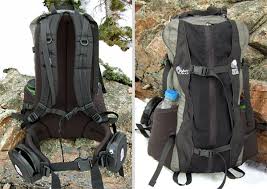
Number one! A book bag is NOT a day pack for back packing. The primary reason is that a day pack is designed for back packing and carrying gear a long time and long distance. That means that it is designed for a different function and comfort level than a book bag. A day pack is also designed in sizes, short, tall, medium build. Please have a professional size the bag on you. If they don’t understand what you are asking, you are talking to the wrong sales person. I have been carrying an Osprey for about 7 years, mine is the blue pack on the right. I love it. Which does not mean there aren’t other great ones. Look for these features: side pockets for water bottles or poles, a back accessible pocket for jackets or maps, two zippable compartments; one for bigger gear, one for the little things. There should be adjustable, cushioned shoulder straps and a slightly cushioned waste belt. My waste belt has front zip pockets for a snack, smart phone, etc. This pack will be your home away from home for 10 days, so choose with care!
PACK ESSENTIALS
What goes in these packs? take a look at this image, and if you want read the post associated with the image at : http://will.lyster.us/toolbox/2012/02/29/day-pack-essentials-what-should-i-carry/ This image gives you a good idea of what other items you may want to carry with you, including a pocket knife. In addition, to these items on day hikes we will also be carrying lunch, jackets, socks, sketch books, pens…
BACKPACKING PACK
A backpacking pack is also designed in sizes, short, tall, medium build. Please have a professional size the bag on you. It is critical that the waste belt be quilted and sit on your hip bones. “load lifter” straps are a key sign to selecting a pack that is well designed. If the salesperson does not understand what you are asking, you are talking to the wrong salesperson. I have been carrying an Osprey for about 7 years, mine is I love it. Which does not mean there aren’t other great ones. Carrying a pack that is specific to your sex is an important comfort choice because they are designed to the frame of a man or women (a women’s shoulders are more narrow.) The one I carry which has been great for 1-3 nights is an Ariel 75. The men’s version of the Ariel is the Xenith, which is also a 75 liter bag. This has been the perfect size for getting my tent and my sleeping bag inside the pack, and having room for cool weather gear. Look for these features: removable top zipper pouch to use as a secondary smaller pack, a bottom zip compartment for your sleeping bag (its best if your sleeping bag fits inside, side pockets for water bottles or poles, a back accessible pocket for jackets or maps, two zippable compartments; one for bigger gear, one for the little things. There should be adjustable, cushioned shoulder straps and a cushioned waste belt. The waste belt should fit at your hip bones. You will need to be able to attach your bear spray to the waste belt so that it is accessible, not a detail to be missed.
Stay tuned for more blogs about your Remote Studio Experience…..
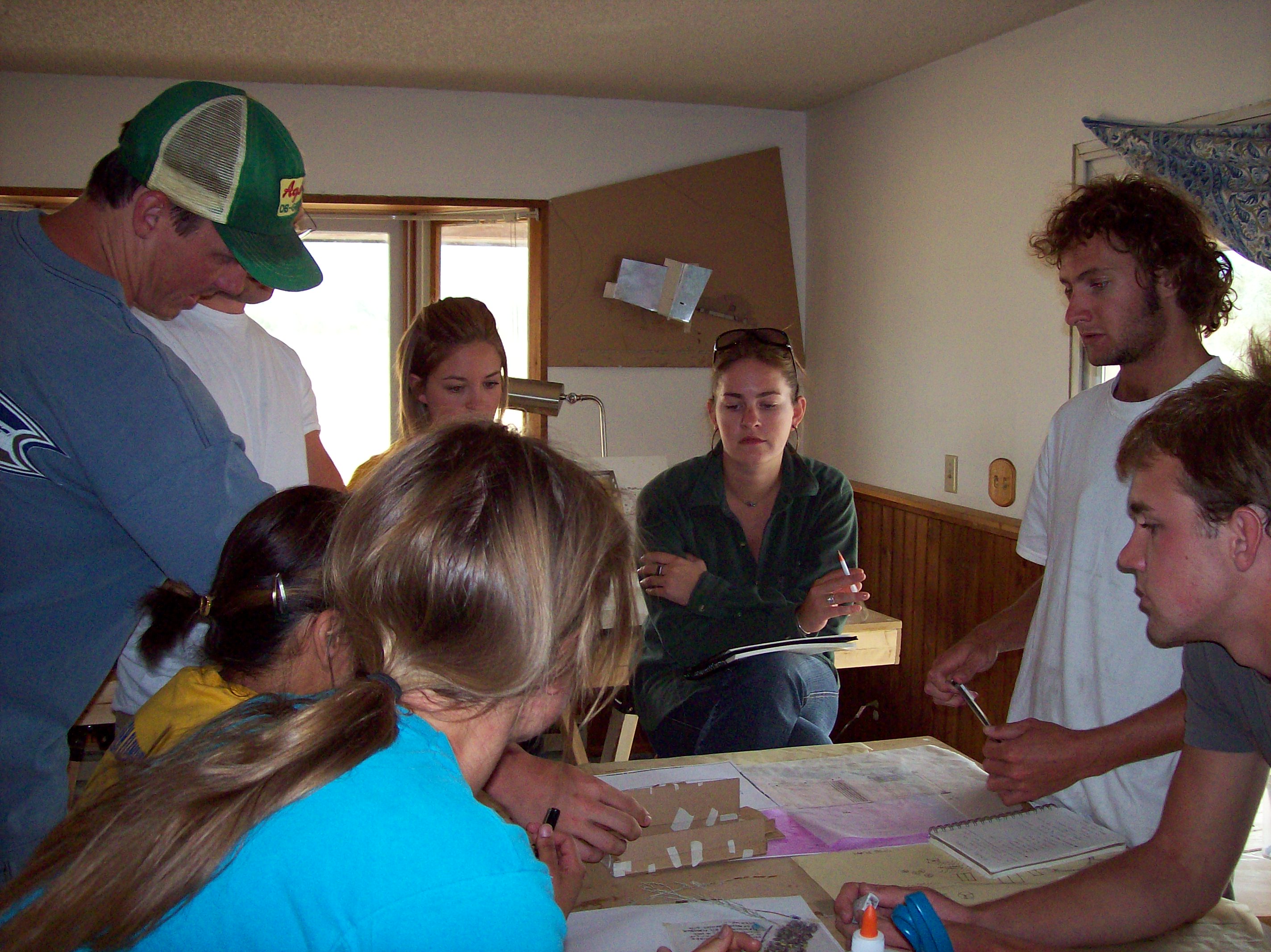
Before you arrive, I want to give you a little bit of context on this studio. I assume everyone has reviewed Remote Studio on the Artemis Institute web site. If not, you should. You will be better prepared to learn and discuss the more you understand the program. Read some of my essays on the website if you have the time. In brief, the Remote Studio and its format are developed out of ideas for teaching design from previous experiences and my PhD research. The program is an alternative to the abstract-rationalistic and scientific organization of teaching that pervades university programs. The course sequence will be orchestrated through hands-on, first person experiences from which each of you will gain unique and personal knowledge. One of the primary focuses is to help students re-engage with the rest of the world and the intuitive intellect. It is my belief that a good way to proceed is to provide students with inspiring and unknown environments, where their expectations have not been specified with “what to expect” lectures, and pragmatic projects. I also believe that the best way to understand your ideas is not through mock or “virtual” projects, but through hands-on immediate projects that are the intentional result of your imagination and reflections. We will discuss these ideas at length during the semester.
With these interests in mind I ask you to understand and accept that the studio may not always run smoothly, not only due to the nature of this type of educational model, but because of the context of real life: clients, weather, materials, people, etc. Certain dates will be scheduled such as the trips, but the itinerary for the trips will not be completely delineated. Sometimes the weather does not cooperate and we change the dates of hikes. The small individual project schedule (called vessels) and reading will be fairly well determined, but are always subject to change if we decide they just are not serving us best, or discussions need to be shifted to accommodate clients or weather. If you are some one who requires notification of a complete plan this studio process may put you on edge. From this experience it is possible you will learn something new about yourself. It is important that studio members communicate well with one another, this means good communication with me and anyone assisting you from the Artemis Institute. If we have good communication we will learn the most from one another.
If you are reading about Remote Studio for the first time learn more at : artemisinstitute.org


















 between here and there